
Trigger Point & TMJ
Treatment Consultation
Jaw tension, clenching/bruxism, facial fatigue, and muscle tightness can affect how you feel throughout the day. At Select Inject, we offer a focused consultation to evaluate whether trigger point or TMJ-focused injectable treatment may be appropriate for your symptoms, anatomy, and goals.
Jaw tension, clenching/bruxism, facial fatigue, and muscle tightness can affect how you feel throughout the day. At Select Inject, we offer a focused consultation to evaluate whether trigger point or TMJ-focused injectable treatment may be appropriate for your symptoms, anatomy, and goals.
A clinical, provider-led approach for patients experiencing jaw tension, facial muscle discomfort, clenching-related concerns, or localized trigger points.
A clinical, provider-led approach for patients experiencing jaw tension, facial
muscle discomfort, clenching-related concerns, or localized trigger points.

When Muscle Tension Becomes More Than an Annoyance
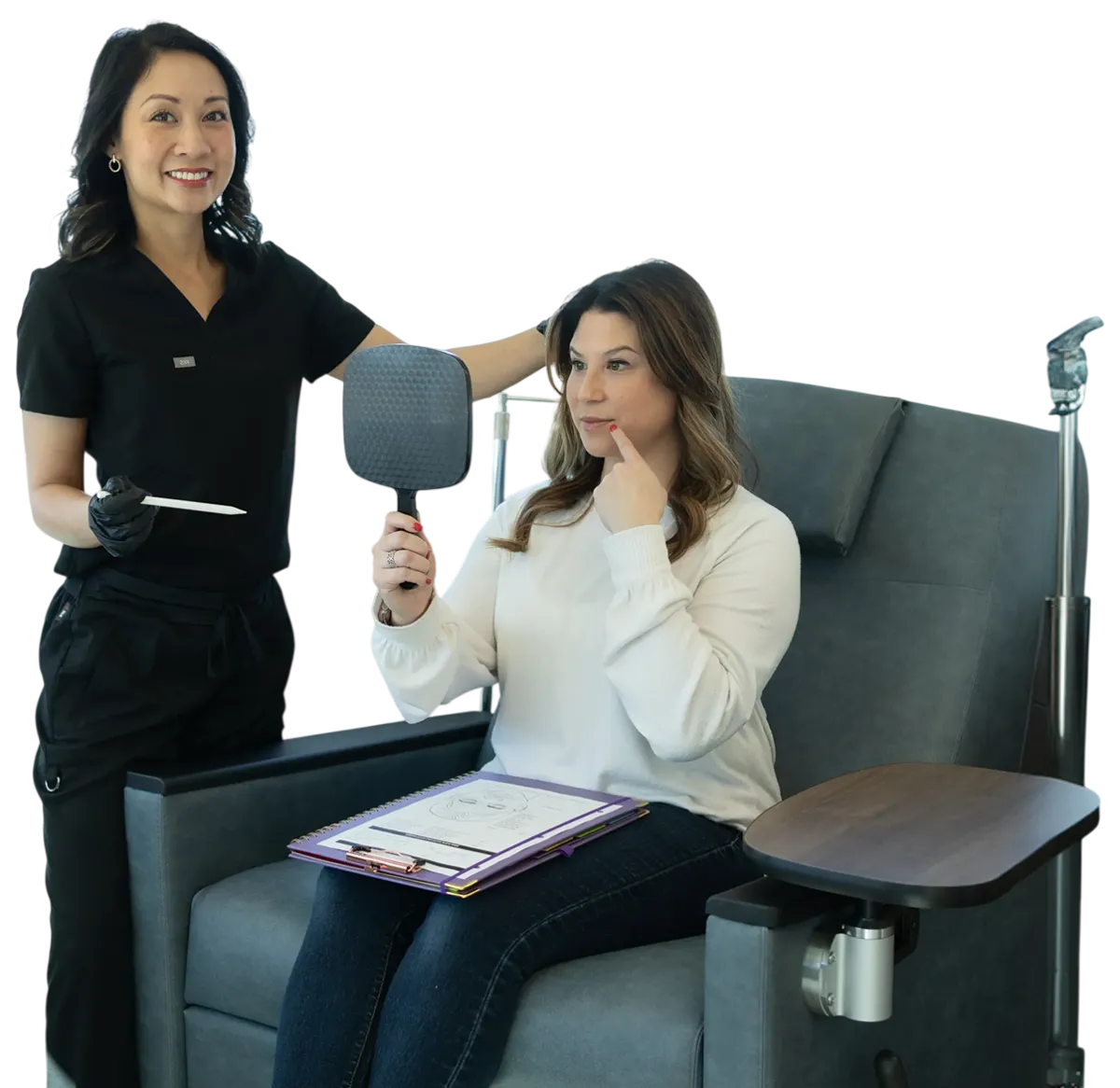
Many patients first notice jaw tension as morning tightness, temple pressure, facial fatigue, or soreness after clenching. Others feel tightness through the neck, shoulders, or specific muscle areas that seem to stay irritated even after stretching, massage, or medication.
If this sounds familiar, a consultation can help determine whether your symptoms appear muscle-related and whether a targeted injectable approach should be considered as part of your care plan.
Jaw tightness or clenching
Temple tension or pressure
Neck or shoulder tightness
Headache patterns linked to jaw tension
Discomfort that hasn't improved with conservative care
Morning jaw soreness or fatigue
Facial muscle discomfort
Localized trigger points
A Conservative, Consultation-First Approach
At Select Inject, treatment starts with assessment, not assumptions. Your provider will discuss your symptoms, review your health history, evaluate the areas of concern, and determine whether injectable treatment is appropriate for your situation.
This is especially important because TMJ and TMD concerns can involve the jaw joint, chewing muscles, headaches, and surrounding tissues. "TMJ" refers to the temporomandibular joint itself, while "TMD" refers to a group of more than 30 disorders that can cause pain and dysfunction in the jaw joint and muscles that control jaw movement.
Our goal is to help you understand your options and make a safe, informed decision. If your provider determines
this treatment is not the right fit, they may recommend another next step or referral pathway.
Why Choose Our Practice

Muscle tension related
to jaw clenching

Overactive jaw
muscles

Facial or temple
tension

Trigger-point tenderness

Neck or shoulder
muscle tightness

Clenching-related
discomfort

Muscle fatigue around the lower face or jaw
Neurotoxin works by relaxing muscles, but it is not FDA-approved for TMD treatment. The National Institute of Dental and Craniofacial Research notes that research on botulinum toxin Type A for TMD symptoms is limited and that it is not clear whether it works to relieve TMD symptoms.
For that reason, Select Inject presents this as a consultation-based, provider-determined option rather than a guaranteed treatment for TMJ or TMD.
Three Simple Steps to Your Refreshed Look


Consultation
Your appointment begins with a conversation about your symptoms, treatment history, goals, and any previous therapies you have tried.
Clinical Assessment
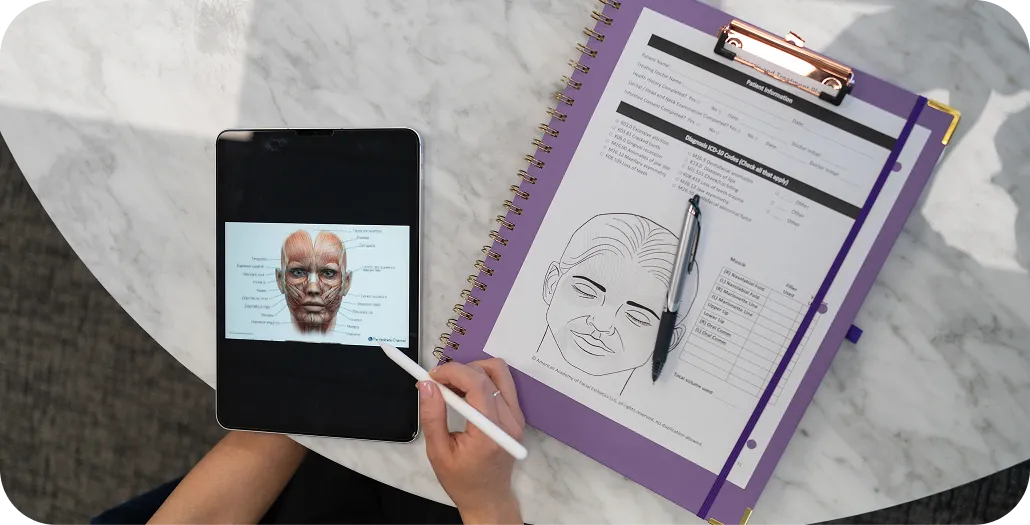
Your provider evaluates the involved areas and considers your anatomy, symptom pattern, and overall treatment goals — jaw, temples, neck, shoulders, and more.

Treatment Recommendation
If treatment is appropriate, your provider explains the recommended approach, expected timeline, limitations, risks, and the follow-up plan.

Follow-Up
Your response may be reviewed over time so your plan can be adjusted thoughtfully. Individual results vary.
Why Patients Choose
Select Inject
Patients often appreciate a treatment experience that is precise, conservative, and grounded in facial anatomy — with clinical conversation around muscle-related concerns while still considering natural facial balance.

Provider-led
Your plan is based on clinical assessment, not a preset protocol.

Anatomy-aware
Treatment planning considers muscle function, facial structure, and balance.

Conservative
We focus on whether treatment is appropriate before recommending it.

Clear
You'll understand the purpose, limitations, and expectations before moving forward.

Patient-centered
Your symptoms, comfort, and goals guide the conversation.
Is This Right For You?
You may be a good fit for a consultation if you:
Notice jaw tension, clenching, or facial muscle fatigue
Wake up with jaw soreness or tightness
Feel tension around the temples, jaw, neck, or shoulders
Have localized trigger points or muscle tenderness
Want a clinical evaluation before deciding on treatment
Prefer a measured, provider-guided approach
A note on Candidacy
This service is not intended to replace dental care, medical evaluation, physical therapy, or emergency treatment when those are needed. The purpose of the consultation is to determine whether this type of treatment may be appropriate for your specific situation.
Ready to Talk Through Your Options?
If jaw tension, clenching, or trigger-point discomfort is affecting your comfort, Select Inject can help you understand whether a targeted injectable treatment may be appropriate. Your provider will evaluate your symptoms, answer your questions, and recommend the next best step.
Ready to Talk Through Your Options?
If jaw tension, clenching, or trigger-point discomfort is affecting your comfort, Select Inject can help you understand whether a targeted injectable treatment may be appropriate. Your provider will evaluate your symptoms, answer your questions, and recommend the next best step.
Frequently Asked Questions
Is this the same as cosmetic Botox?
Not exactly. Cosmetic neuromodulator treatment is typically focused on softening expression lines, while TMJ- or trigger-point-focused treatment is evaluated around muscle tension, symptoms, and functional concerns. Botulinum toxin Type A is not FDA-approved for TMD treatment, and evidence for its use in TMD symptoms remains limited.
Can this cure TMJ?
A single treatment is unlikely to ‘cure’ TMJ or TMD. These conditions can involve the jaw joint, muscles, bite, and surrounding structures. For some patients, targeted neuromodulator treatment may help reduce muscle‑related tension and discomfort as part of a broader care plan. It is not a replacement for dental, medical, or physical therapy evaluation when those are needed
Who is a good candidate?
Good candidates are adults who notice jaw tension, clenching, muscle‑related headaches, or localized trigger‑point discomfort and want a provider‑led evaluation of whether injectable treatment might play a role. You should be generally healthy, not pregnant or breastfeeding, and free from certain neuromuscular conditions or contraindications, which we’ll review during your consultation.
What areas may be evaluated?
Depending on your symptoms, your provider may assess the jaw muscles, temples, sides of the face, neck, shoulders, and specific areas where you feel trigger‑point tenderness. The goal is to understand your overall pattern of muscle use, not just one isolated spot.
How soon will I know if it helped?
Many patients begin to notice changes in muscle tension over the first 1–2 weeks, with full neuromodulator effect generally reached by about 2 weeks. Some people notice earlier softening, while others feel more subtle or gradual change. We typically reassess your response over time and adjust the plan if needed.
Will treatment change how my face looks?
Treatment is planned to prioritize function and comfort while still respecting your natural facial balance. Depending on the dose and areas treated, you may notice softer jaw angles or a more relaxed appearance in some areas. During your consultation, we’ll discuss what to expect visually so there are no surprises.
Do I need a diagnosis before booking?
No prior diagnosis is required to schedule a consultation. If your provider feels that dental, medical, or specialist evaluation should come first, they will discuss this with you and may recommend a different next step.
Is this covered by insurance?
Select Inject does not bill insurance for this treatment. Some patients may be able to use HSA or FSA funds depending on their plan, but you should confirm this with your benefits provider. We can provide an itemized receipt upon request.
What if this is not the right treatment for me?
If your provider does not feel that injectable treatment is appropriate, they will explain why and may suggest other options or referrals instead. The purpose of the visit is to help you understand your options, not to push you into a specific treatment.
This information is for educational purposes only and does not replace medical advice. Treatment recommendations are made only after consultation with a qualified provider. Individual results vary.
Ready to Look Refreshed
and Feel More Comfortable?
We'll assess your facial structure and muscle activity, answer every question, & create a customized treatment plan.

Resources
